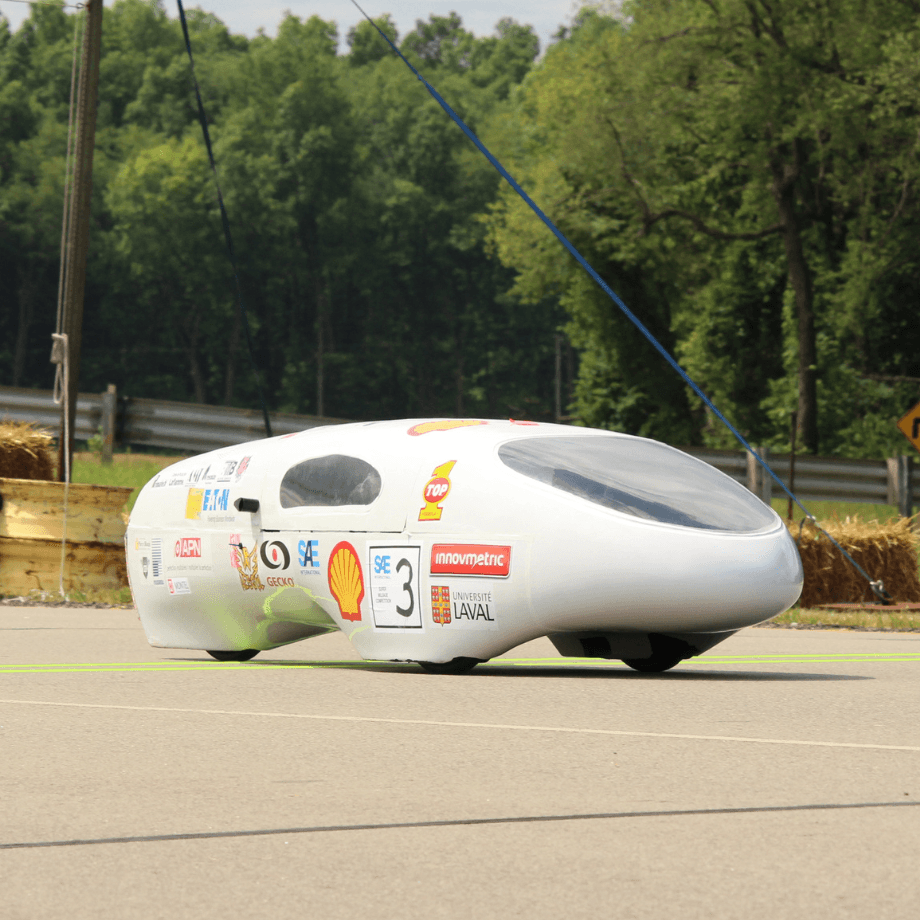


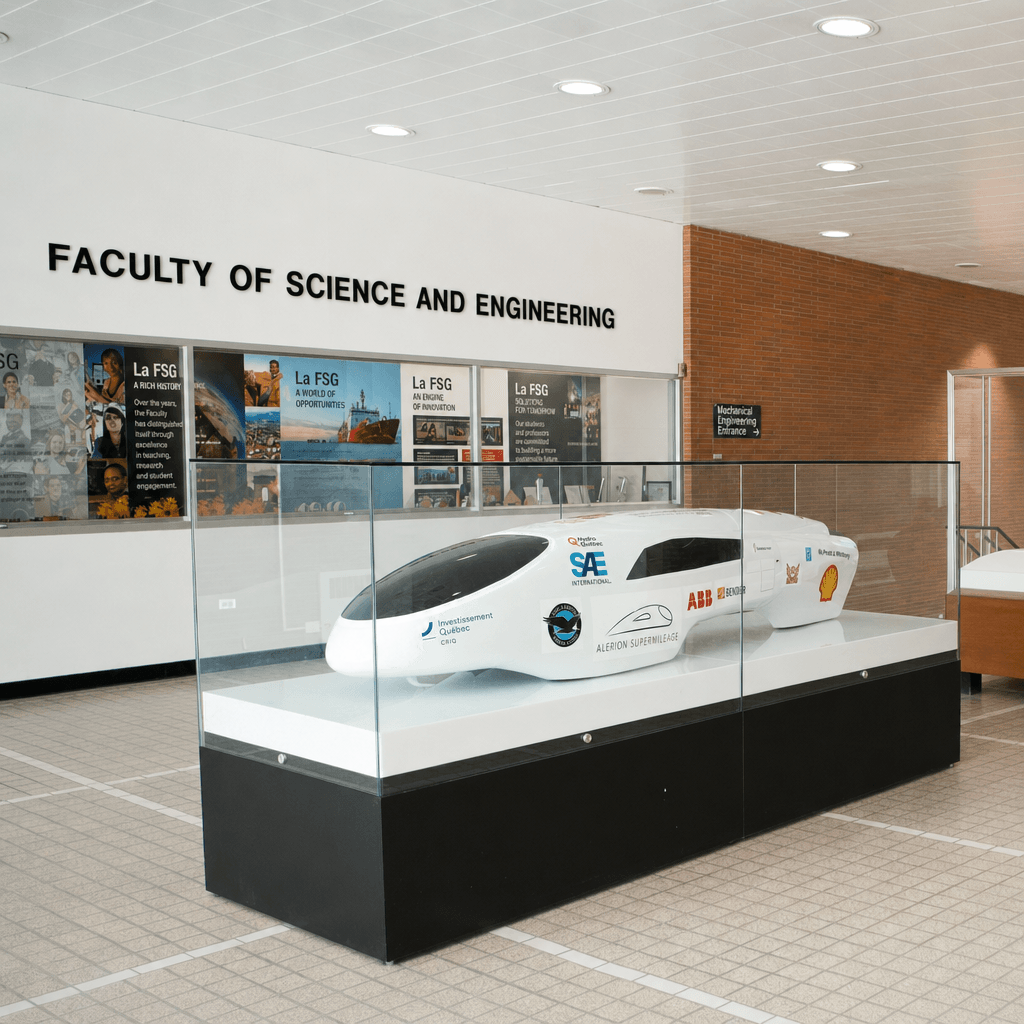
Because of the variety of dimensions touched by electric and intelligent transportation, it is more than necessary to strengthen the project development process with multidisciplinary collaboration. Being the only faculty in Quebec that brings together the expertise of scientists and engineers (women and men) under the same roof, the Faculty of Science and Engineering (FSG) at Université Laval is the ideal place to learn how to master these complex and innovative projects!
Training
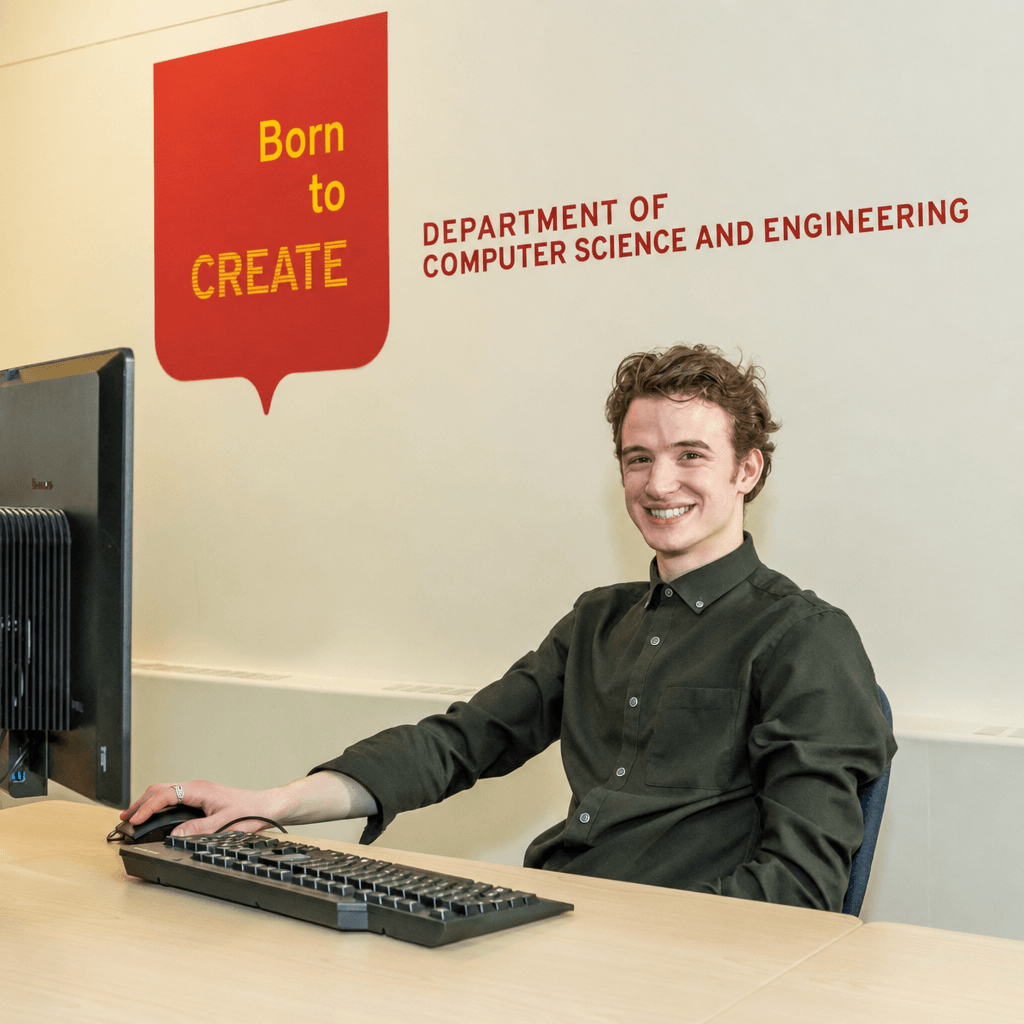
Whether in physics, in mathematics, in statistics, in computer science or in engineering (electrical, software, computer engineering, mechanical), the range of study programs related to electric and intelligent transportation is diverse. The FSG offers a vast playground where you can develop skills that will allow you to contribute to the important mission of transportation electrification in Quebec. This was, moreover, the starting point of the path of several inspiring graduates, including Louis Tremblay. With a bachelor's degree in electrical engineering, he is co-founder and today president and chief executive officer of FLO, a leader in the reliability of charging stations for electric vehicles.
Research
Technologies are advancing rapidly in the field of transportation electrification, notably in batteries, low-cost high-performance electric motors, and next-generation electric powertrains.
Several professors at the FSG direct their research toward these.. Jérôme Cros, a professor in the Department of Electrical Engineering and Computer Engineering, is interested in smart electrical grids. Specialized in the design, modeling and diagnosis of electric drives for all kinds of vehicles (bicycles, cars, trains, airplanes, etc.), he works more specifically on machine-converter assemblies to form variable-speed drives. These machine-converters can serve as traction and propulsion systems as well as devices for converting renewable energy into electricity. Professor Cros is part of the Electrotechnics, Power Electronics and Industrial Control Laboratory that simulates electrical networks, models and designs electrical machines and converters based on power electronics.
The Canada Research Chair in Decentralized and Sustainable Electric Systems for Smart Communities, held by Professor Innocent Kamwa, aims to facilitate the emergence of a smart electrical grid. It works to ensure that it can accommodate and control a very large number of decentralized energy resources, with a view to a complete decarbonization of the economy by 2050.
Student projects
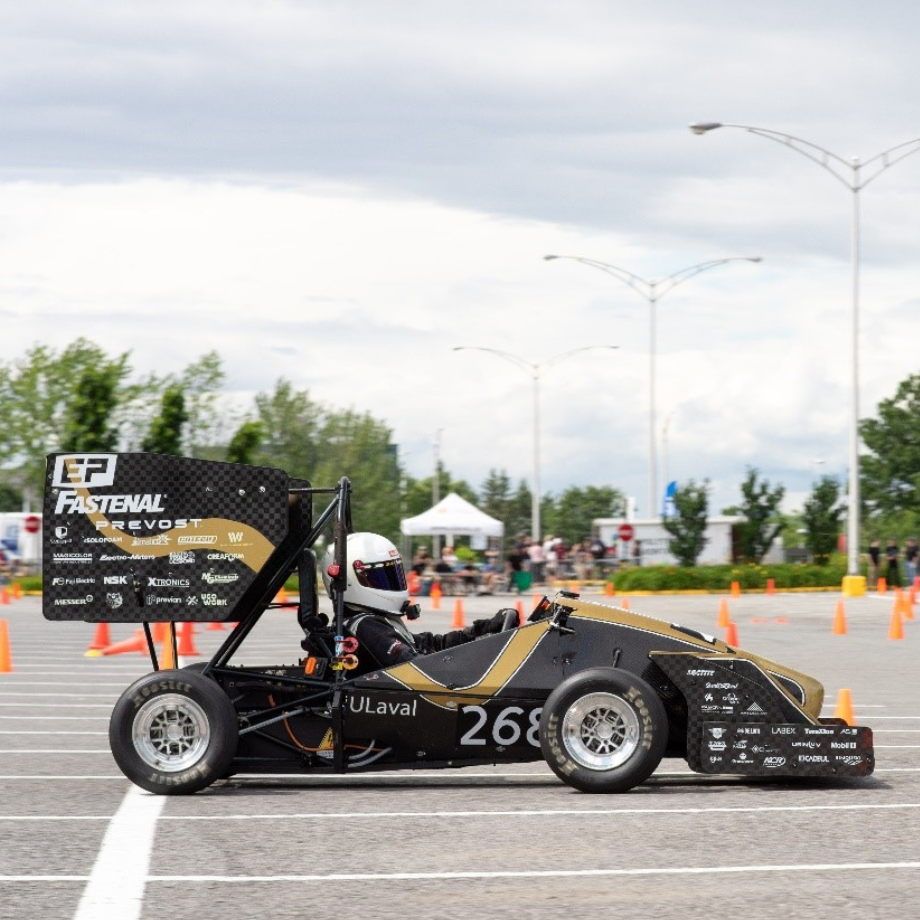
Engineering students who are part of FSG student projects work, throughout the school year, to sharpen their operations to optimize their performances in international competitions. The development of electric and intelligent transportation motivates many of them, including Université Laval Formula SAE which designs and develops an electric race car that can reach a speed of 120 km/h.
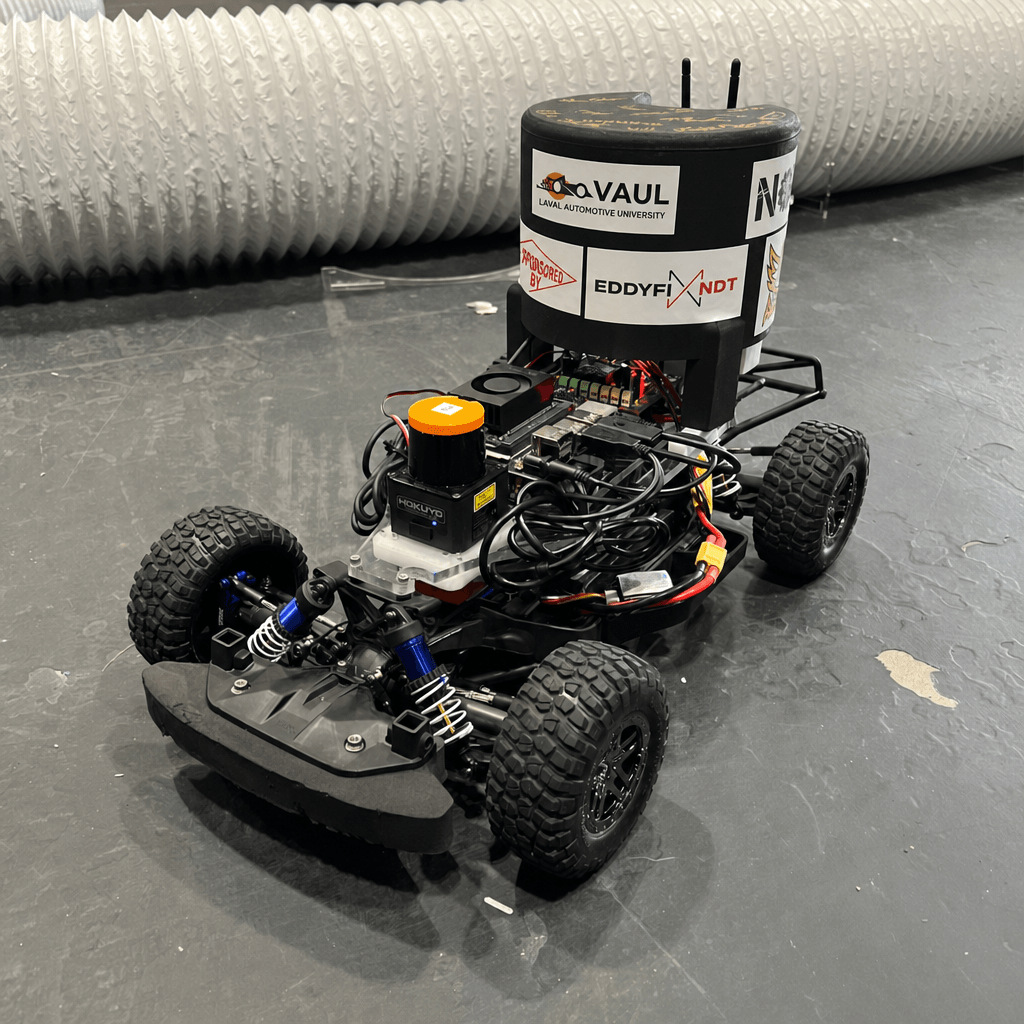
The team of the Université Laval Autonomous Vehicle designs robotic platforms from scratch, from mechanical and electrical design to programming the vehicle's intelligence. So far, the project has produced a miniature race car as well as an autonomous snowplow.
Alérion Supermileage, which designs and manufactures a single-seat vehicle with very low gasoline consumption, finished third in the energy efficiency race at the Shell Eco-marathon Americas 2023 competition. The team is also working on a new electric urban vehicle concept.
With the urgency of decarbonizing the economy and the accelerated transformations being felt, it is time to act. Studying in the field is an excellent starting point to obtain the tools that will enable you to be part of the change; are you ready to take action?