


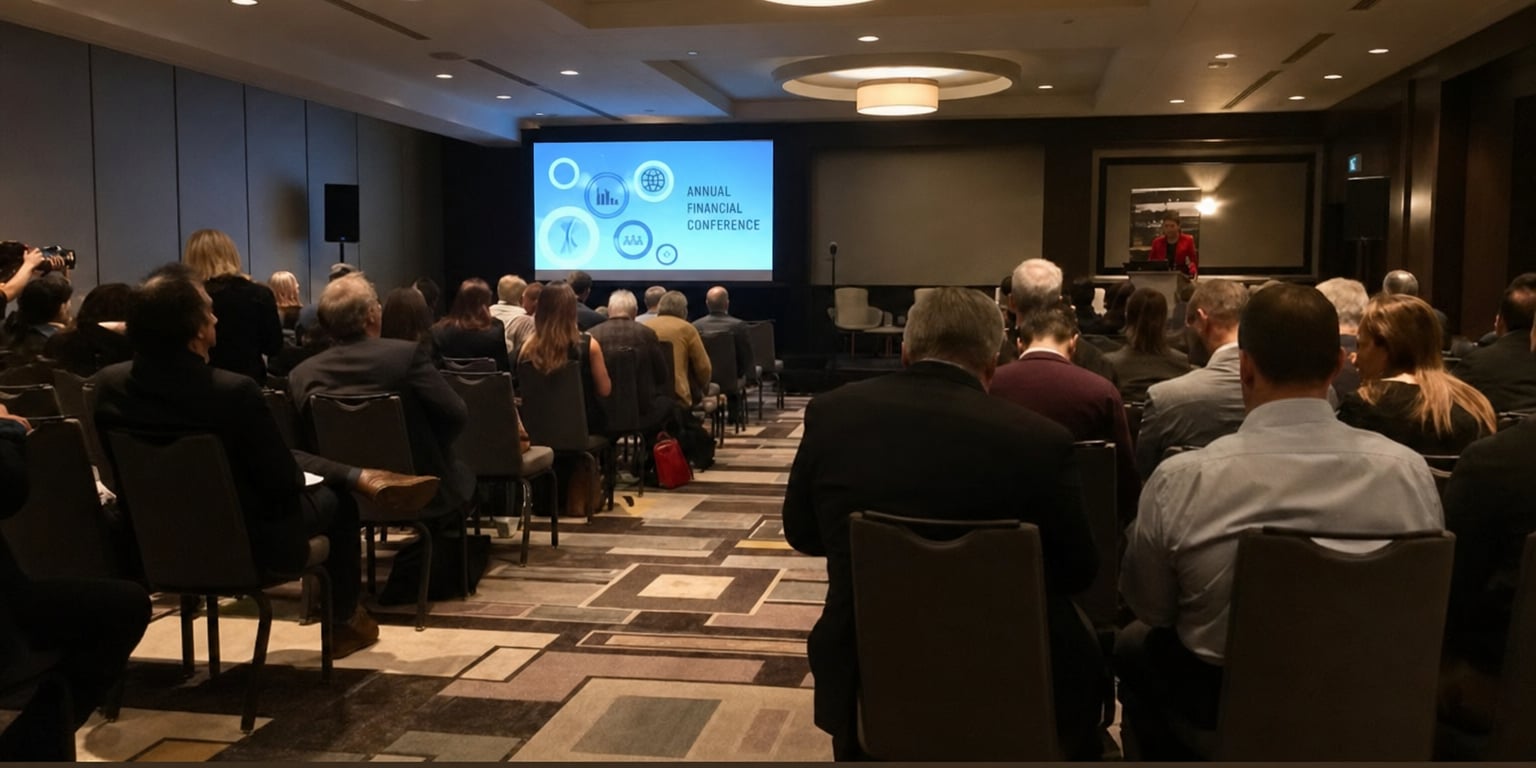
Montreal, December 5, 2019— Propulsion Québec, the electric and intelligent transportation cluster, today held a Forum on workforce challenges in the context of an industry in transformation, attended by more than 120 people, mostly representatives of the transportation industry. This event was an opportunity to discuss workforce issues that particularly affect Quebec’s innovative electric and intelligent transportation (EIT) ecosystem.
Speakers from the industrial sector, the economic and municipal spheres, as well as the vocational training sector took part in this one-day event, where the impact of automation and artificial intelligence on the future of work, the attraction of foreign labour, the transformation of occupations in the EIT industry, and the development of new training programs were among the topics discussed.
Propulsion Québec took advantage of this Forum to unveil certain preliminary findings of a study it is currently conducting with the firm Marcon regarding the workforce in the EIT sector, which is currently undergoing transformation and sustained growth. Several deployment scenarios for electric and intelligent transportation up to 2050 were developed and confirm the acceleration of electrification and the rise of autonomous transportation. This reality will have a profound impact on workforce and training needs, the extent of which continues to be studied by Propulsion Québec. The final study is expected to be released in spring 2020.
Quotes
"Like other industries, the workforce is a major challenge for our rapidly growing sector. Reflection exercises such as the one we held today aim to consider innovative practices in training, attraction and retention of staff and to draw inspiration from them to enable companies in the electric and intelligent transportation sector to deploy their full potential and contribute to Quebec’s economy," said Sarah Houde, President and CEO of Propulsion Québec, the electric and intelligent transportation cluster.
"Our industry is currently undergoing a profound transformation. The rise of autonomous transportation, the rapid and spectacular technological advances in our sector, and the fast growth of the electric transportation market invite us to start thinking now about workforce needs within these emerging sectors and to create synergies between industry, economic actors and academic institutions in order to prepare the ground for tomorrow’s requirements," she continued.
"A recent study carried out by KPMG on behalf of the cluster, which aimed to identify the main barriers to growth of the electric and intelligent transportation sector in Quebec, revealed that the availability of specialized skills and the availability of labour are major challenges faced by the innovative EIT ecosystem. Companies in the sector and economic stakeholders must consider the best ways to address this significant issue in order to allow this promising sector to prosper and become sustainable in Quebec," she concluded.
The Propulsion Québec Forum is organized in partnership with Emploi Québec.
About Propulsion Québec
Quebec’s electric and intelligent transportation cluster brings together all stakeholders in the sector around coordinated projects aimed at positioning Quebec among the leaders in the development and deployment of land modes of transport that support electric and intelligent transportation. Created in 2017, Propulsion Québec now counts more than 140 members from different sectors and deploys its resources across seven distinct initiatives aimed at developing and supporting innovative projects. The cluster benefits from financial support from the Government of Quebec, the Government of Canada, the Montreal Metropolitan Community (CMM), the FTQ Solidarity Fund and the City of Quebec.


