


When a carrier considers making the electric shift, the choice of vehicles is the first thing that comes to mind, followed closely by the installation and operation of the infrastructure for charging them. But what about energy management? How do you ensure reliable vehicle charging while minimizing electricity costs? As you’ve guessed, the answer is to plan and execute smart charging.
What is a smart charging plan?
First, let’s define what a charging plan is. A charging plan is made up of two components: the time windows during which the vehicle will be charged and the power at which charging will occur during each time window.
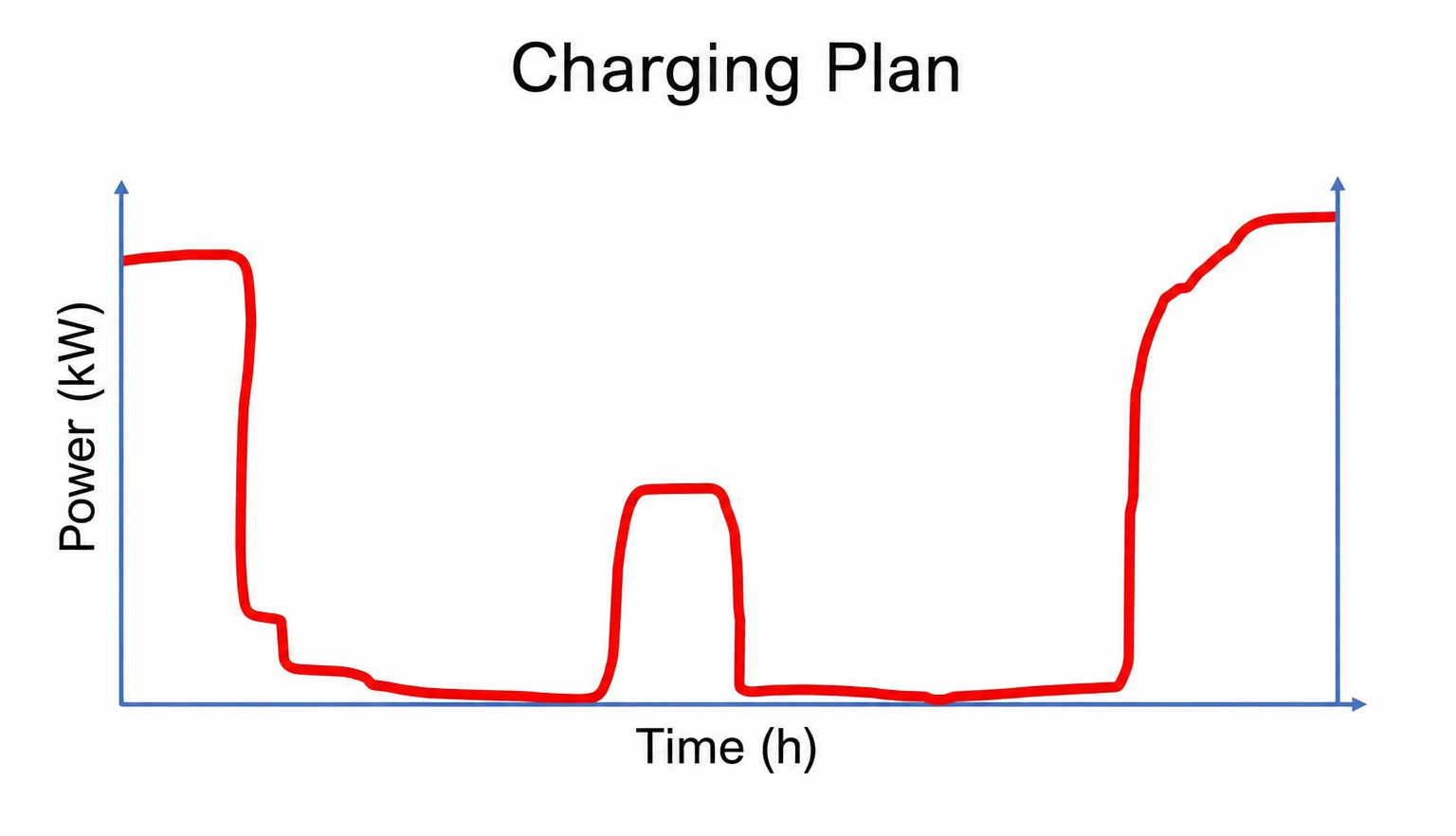
Power is the rate at which energy is exchanged; it is expressed in kilowatts (kW). In the case of charging power, this value could be compared to the flow from a faucet filling a bathtub. One kilowatt represents the rate to charge one kilowatt-hour (kWh) in one hour. For example, level 2 chargers typically offer power between 7.2 kW and 19.2 kW, whereas fast charging stations can provide 24 kW, 50 kW, 100 kW and more.
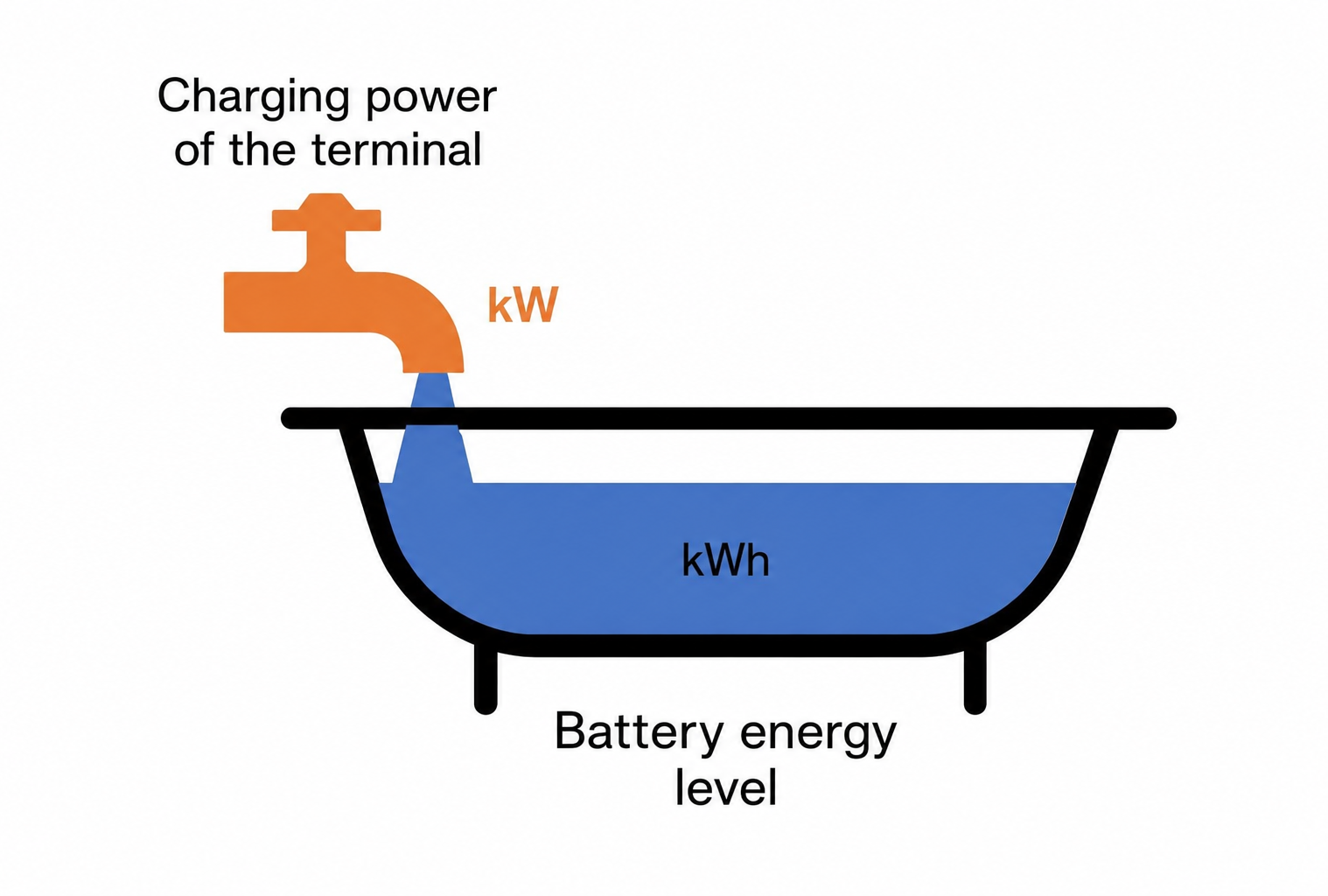
The objective of the charging plan is to ensure that the vehicle will have enough energy to complete its routes. A charging plan can be optimized to reduce electricity costs; it can also be dynamic and intelligent, but let’s keep those ideas warm and come back to them later.
To create a charging plan, it is imperative to analyze a vehicle’s energy needs based on the number of kilometers it will have to travel. Terrain topology, city versus highway driving, the driver’s eco-driving habits and weather forecasts are also factors that will influence the vehicle’s energy needs, but integrating these components into the plan can be complex to do manually (possible solutions, as you might expect, will be explored later in this article).
Next, you must identify charging opportunities, that is, the periods during which the vehicle is back at the terminal. Finally, knowing the vehicle’s energy needs and the charging opportunities, it is possible to calculate the power required for each charging session so the vehicle has the energy needed to complete its routes. All that remains is to repeat the operation for each vehicle in your fleet and update the plans every time something changes. A nice challenge when you have about ten vehicles, an impossible mission when you manage a large fleet. And what about the power peaks generated by all those vehicles charging at the same time!
A power peak — what is that all about?
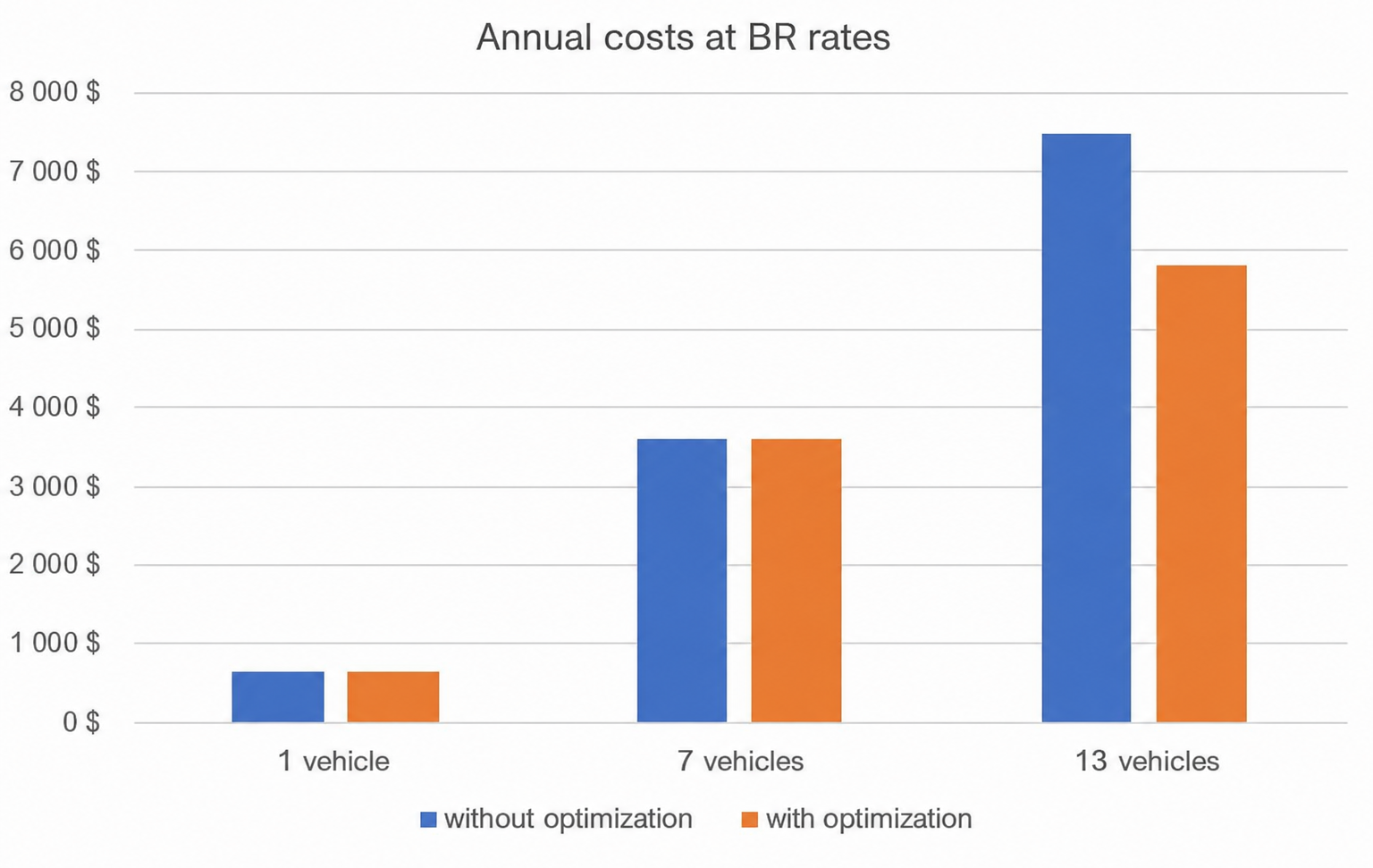
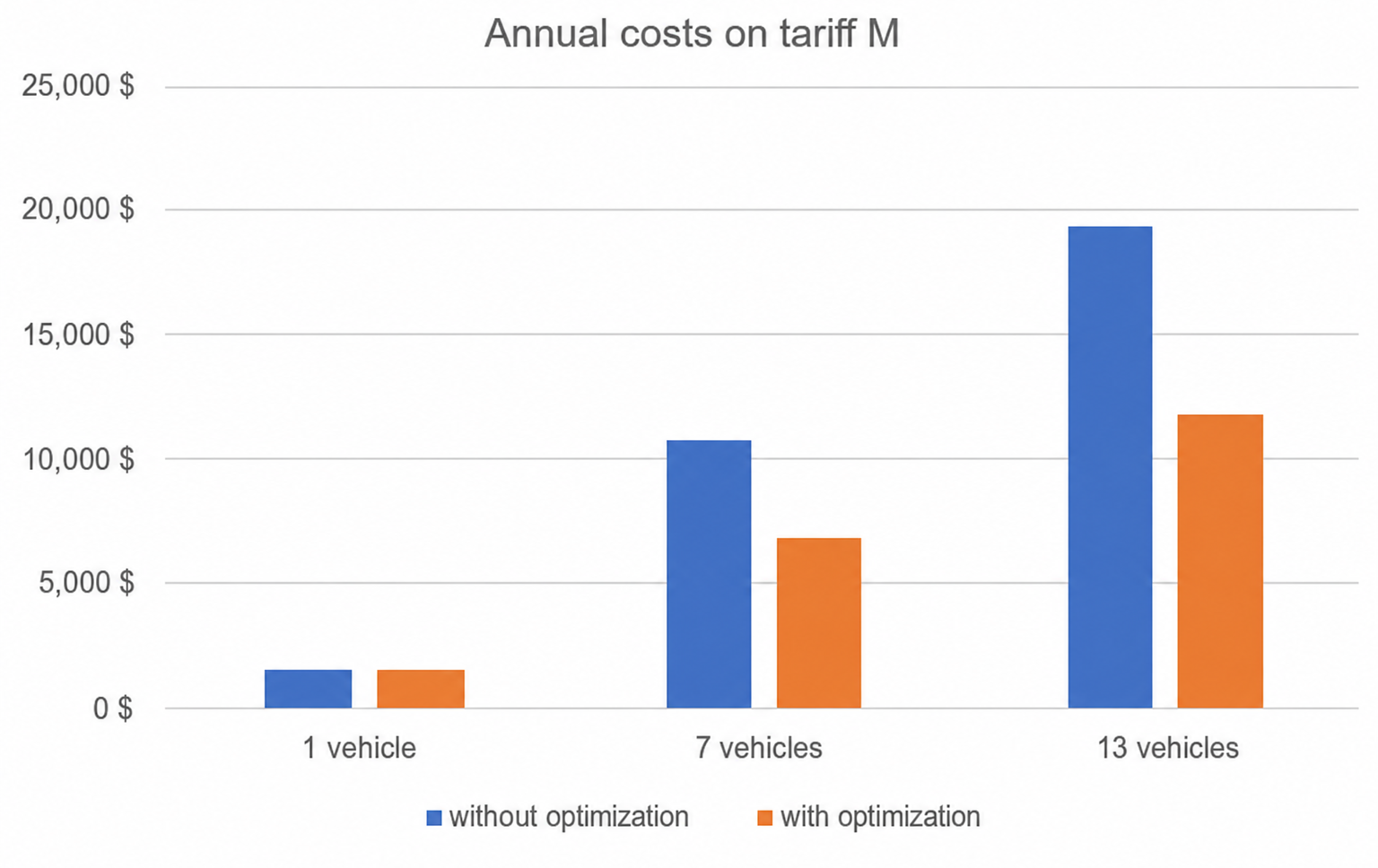
In Quebec, electricity is billed based on the amount of energy consumed (kWh), but also on the highest power used (kW). The maximum power demanded during the year will affect your pricing for the entire year. For example, if you plug in all your vehicles at the same time for about fifteen minutes, and that is the largest power demand you’ve made in the year, you will be billed based on that maximum power. It is therefore important to reduce your maximum power demand if you want to benefit from the lowest possible tariff.
And what about intelligence in all this?
To integrate the concept of intelligence into charging fleet vehicles, the use of a software platform is essential. Platform features vary, but here is an overview of the characteristics that will deliver the greatest benefits.
Interconnection with your ecosystem
If you already use IT tools to manage your operations, an intelligent charging management platform can easily connect to them to simplify your tasks. This integration allows dynamic collection of the data needed to produce charging plans from these systems: route planning software (kilometers to be driven and charging opportunities); vehicle maintenance software (repair schedules); onboard vehicle telemetry (state of charge and eco-driving performance); charging station firmware/software (status and diagnostics); web portals for weather forecasts, etc.
When comparing the different platform options on the market, make sure to choose a solution that is interoperable with all types of chargers, onboard telemetries and fleet management systems, so you can vary the manufacturers and suppliers you deal with. Technologies are evolving very quickly in this booming market and you wouldn’t want your choices to be restricted due to limited compatibility of your platform.
Optimized charging plans
The use of algorithms finally makes it possible to predict vehicles’ energy needs and generate optimized charging plans. These plans sequence charging according to your vehicles’ operational requirements while minimizing the maximum power demand to reduce your electricity bill. Charger power is adjustable. A 50 kW charger can, for example, perform a charge at a reduced power of 20 kW if the available charging time allows it, thereby avoiding a peak demand. The platform can remotely control charging stations to orchestrate charging across your entire fleet and even across all your sites.
The importance of having a plan B
Managing an electric vehicle fleet comes with its share of unforeseen events. Whether it’s adding kilometers to a route, a vehicle consuming more energy than anticipated, or a charging station breaking down, your vehicles still need to be sufficiently charged to complete their routes. A good plan must therefore include contingency and be dynamic so it can adjust in real time to guarantee charging of your vehicles at the lowest cost possible, and do so without your intervention. A platform that incorporates advanced artificial intelligence techniques can generate resilient and optimized charging plans, even in complex situations, so you can attend to all the other tasks that fill your busy days. Your drivers will always hit the road without hassle, guaranteed to be able to accomplish their planned tasks, and you will be alerted by the system to any situation likely to increase your operating costs.
Did you know?
Hydro-Québec offers charging solutions for electric vehicle fleets. This initiative was born from needs often expressed by commercial vehicle operators, who seek independent expertise and personalized support to make the electric transition. Our objective is therefore to offer carriers the solution that best meets their current and future needs so they can successfully complete their transition. For more information,visit our website.


