


As part of its Demonstration and Experimentation initiative, Propulsion Québec held the Crossed Perspectives Forum: Autonomous Shuttles in Quebec on September 9 and 10. Presented as five virtual conferences, it aimed to review the autonomous shuttle projects that took place in Quebec and to share the lessons learned from these experiences.
Following the knowledge that emerged from this exchange, Propulsion Québec offers a series of Crossed Perspectives articles highlighting the themes addressed during the Forum. This second article provides a review of the autonomous shuttle experimentation projects that have taken place in Quebec since 2018.
Notable projects
Three major projects were deployed in Quebec in 2018 and 2019. Operated by two members of Propulsion Québec, the operatorsKeolis and Transdev, these new initiatives made it possible to gain key learnings to advance the technology and future deployments of shuttles. Discover the history of these projects and their specifics!
August 2018 | A Keolis shuttle runs in the city of Candiac
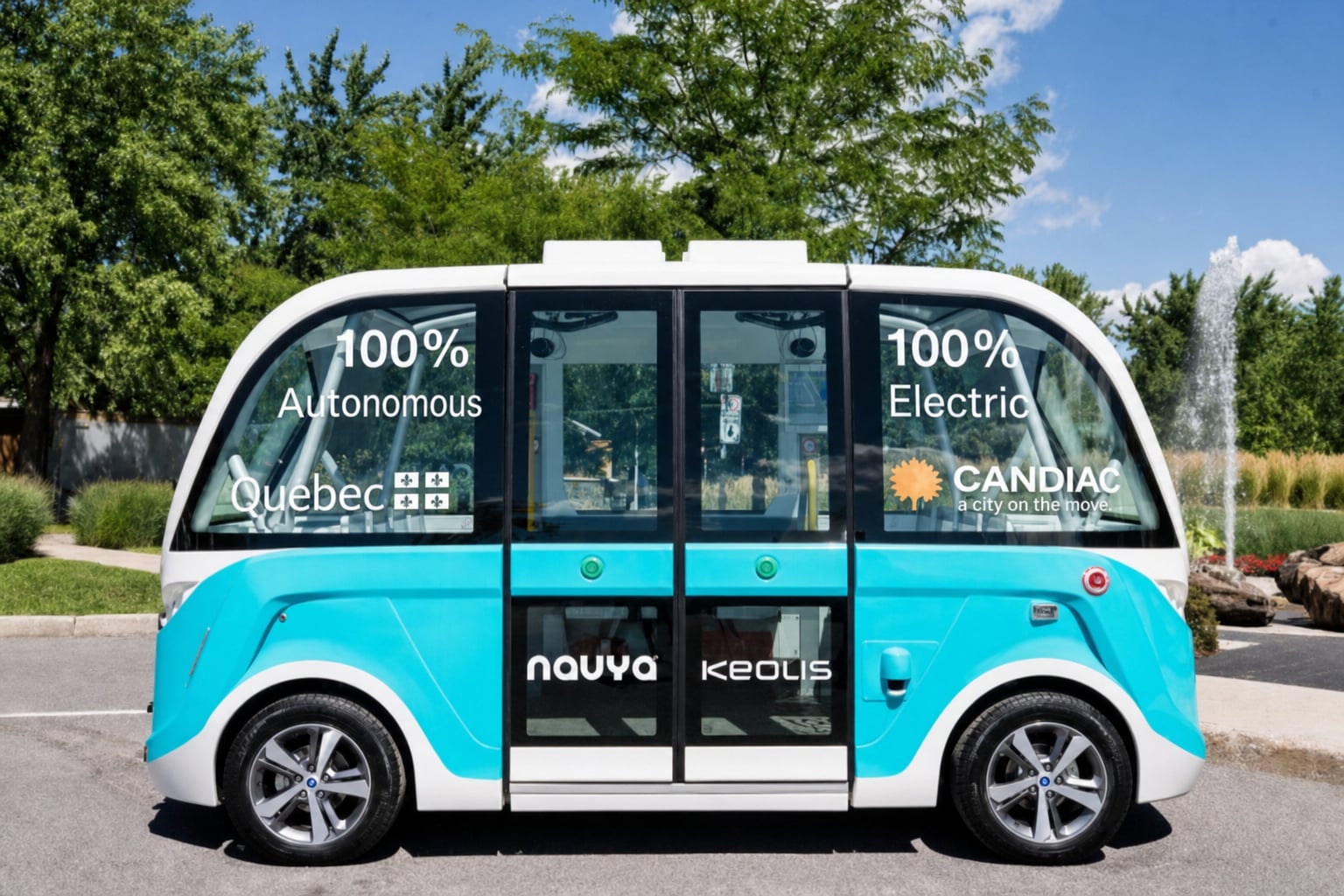
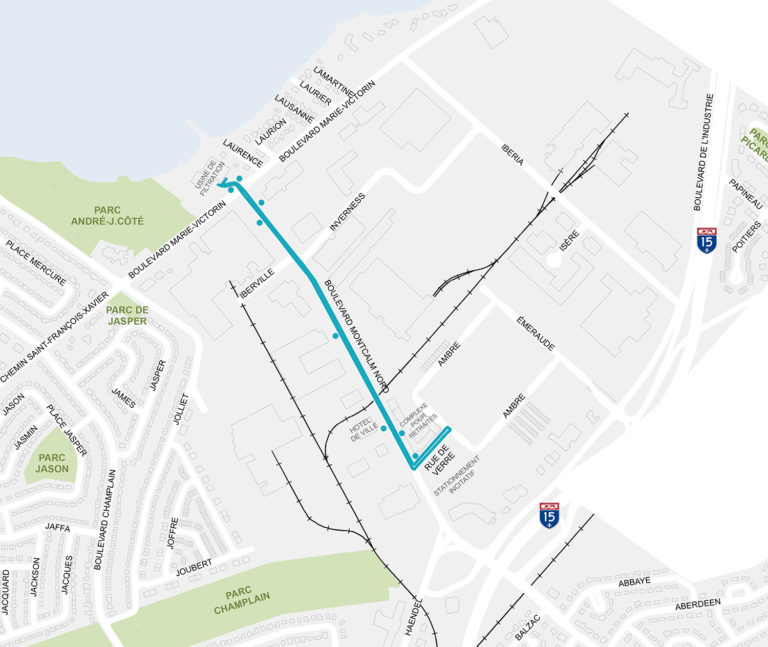
Keolis Canada and the City of Candiac launched the first long-term demonstration project of a 100% electric autonomous shuttle on public roads in Canada. The shuttle ran in the city along a strategically determined route with the objective of covering the first and last kilometer of a passenger transport trip for the benefit of citizens. The shuttle notably allowed Candiac residents and workers to reach their final destination more easily, facilitating access to a park-and-ride lot and a bus terminal.
Project fact sheet:
- Vehicle: 1 NAVYA shuttle
- Project duration: 12 months
- Route: 2 km in an urban environment (mixed traffic)
- Maximum speed: 25 km/h
- Propulsion: electric
- Number of passengers: 15, i.e. 11 seated and 4 standing
- Access: free
To learn more, consult theproject summary.
September 2018 | Transdev conducts trials on the Olympic Park site
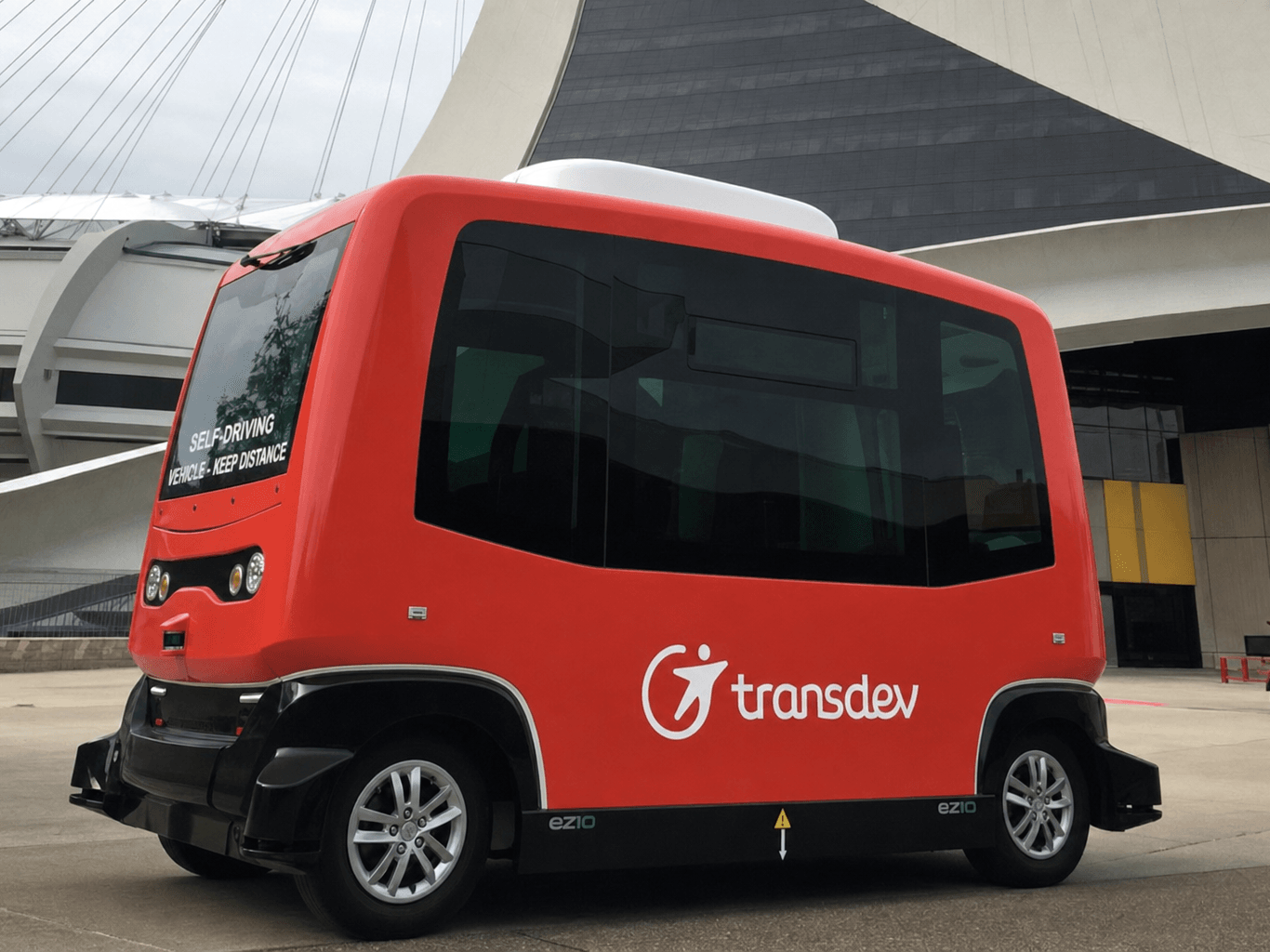
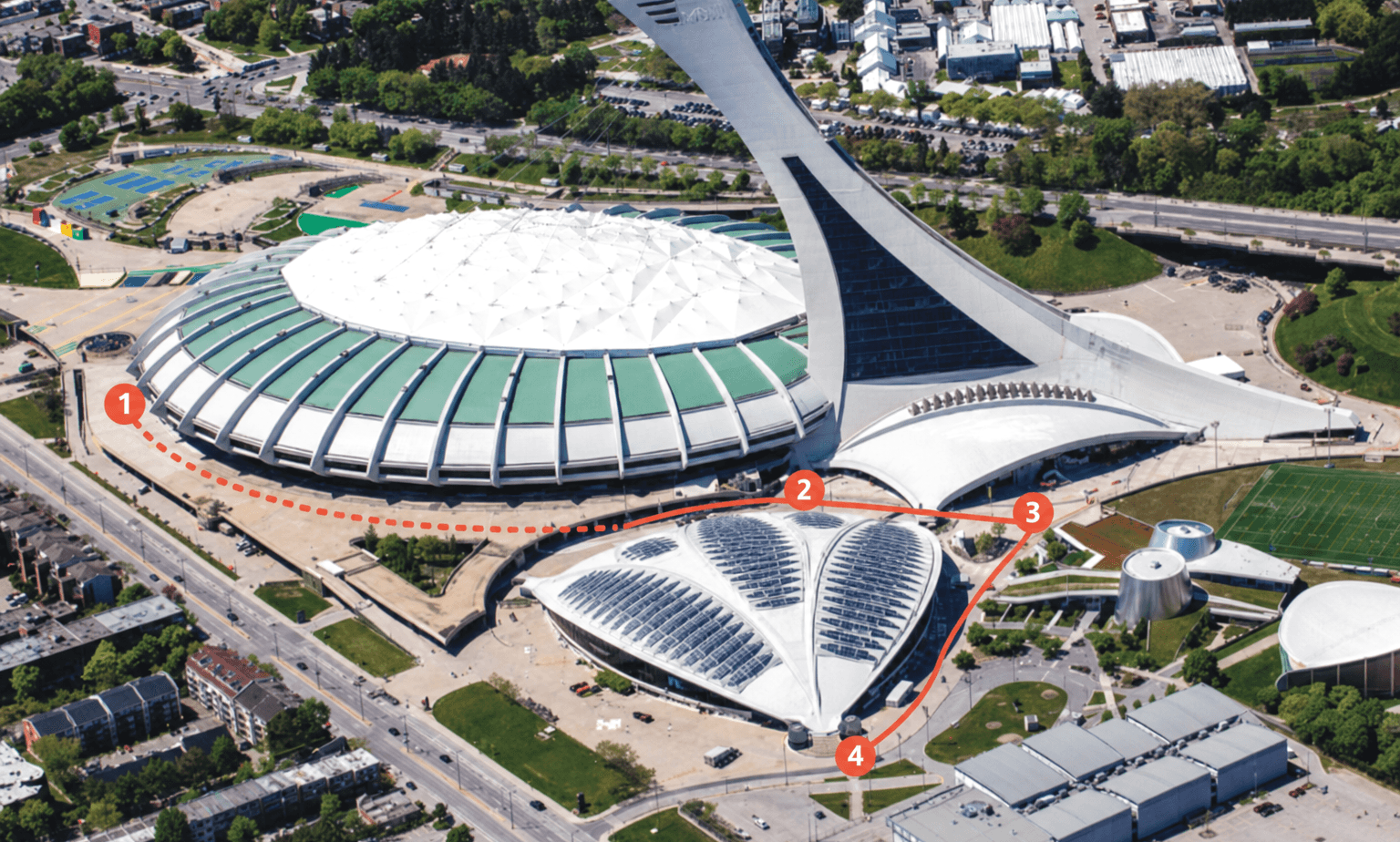
Carried out in collaboration with the City of Montreal, this Transdev project aimed to offer Desjardins employees, newly installed on the Olympic site, a means of transportation between the parking lots and their new offices. The route on a closed circuit started at the entrance to the Olympic Stadium, passing by the Viau metro station, the Planetarium and the Desjardins offices. This shuttle also allowed visitors and tourists to benefit from a free and accessible means of transport on the site.
Project fact sheet
- Vehicles: Two EasyMile shuttles
- Project duration: 55 days
- Route: 796 meters on a closed circuit
- Maximum speed: 9 km/h
- Propulsion: electric
- Number of passengers: 12, i.e. 6 seated and 6 standing
- Access: free
To learn more, consult theproject feedback.
June 2019 | A shuttle links the Olympic Park to Marché Maisonneuve
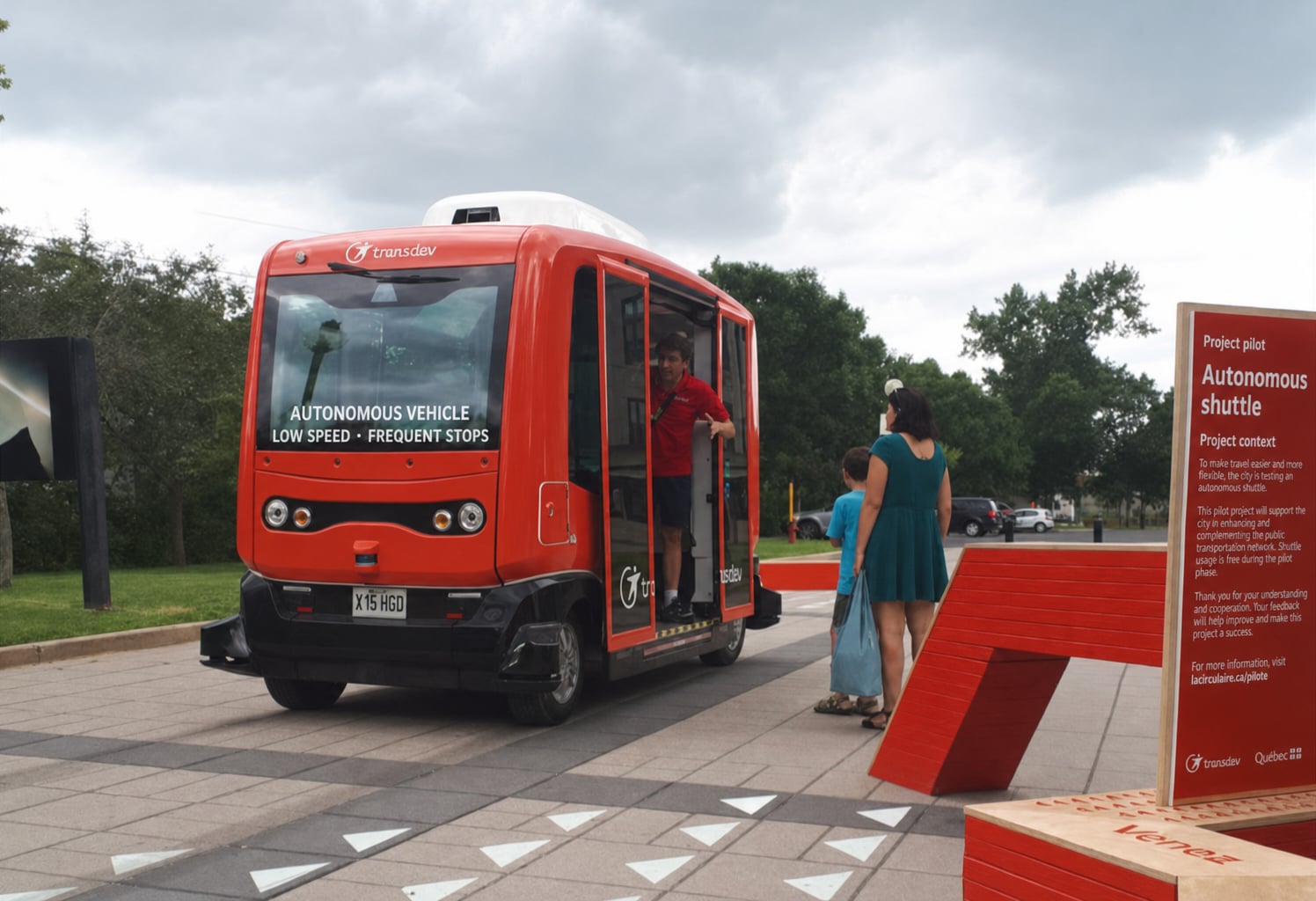
In summer 2019, a new project tackled another technological challenge by running in the streets of Hochelaga-Maisonneuve, the first experience of its kind in Montreal on public roads. The route extended between the Olympic Park and the busy Marché Maisonneuve. Two Transdev shuttles were able to operate in a dense urban environment under normal daily traffic conditions. They had the capability to cross intersections equipped with smart traffic lights with which they communicated.
Project fact sheet
- Vehicle: Two EasyMile shuttles
- Project duration: late June to early August 2019
- Distance: 1.4 km in an urban environment
- Average speed: 13 km/h
- Propulsion: electric
- Number of passengers: 12
- Access: free
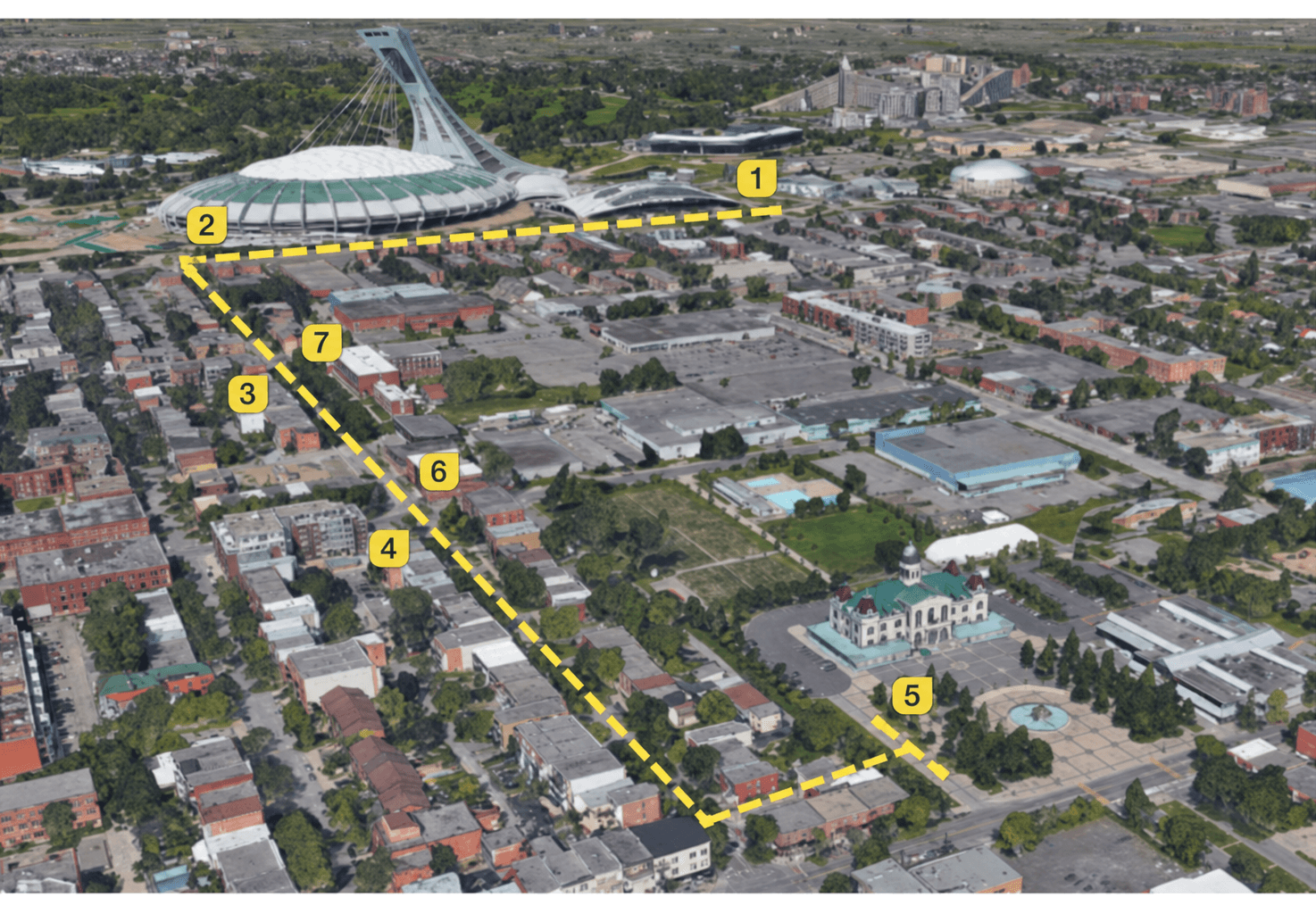
For more information on this project, visit the site of theLaboratoire d’innovation urbaine de Montréal and of Jalon Mtl.
Some conclusions
These projects made it possible to draw several very interesting lessons that have the potential to guide future experiments. Here are the main points:
- Good collaboration among the different stakeholders is a key element to ensure the success of such projects. Operators must build solid partnerships with cities and multiple stakeholders to deploy autonomous shuttles within urban territories.
- The various surveys conducted on these projects are positive and users generally enjoyed their experience and found the shuttle useful.
- There is still a lot of education to be done with the public to clearly explain how autonomous shuttles work and how to use them. Awareness-raising among users as well as clear signage are essential to facilitate public acceptance of these projects.
- There remain several significant improvements to be made in terms of technology. More specifically to address city challenges: whether it’s improperly parked vehicles, road issues, or the slow speed of the shuttle, autonomous shuttle technologies will need to be refined through experiments, always with the ultimate goal of obtaining a precise reading of their environment and thereby making the best decision.
To listen (or listen again!) | Webinar on autonomous shuttles in Quebec since 2018
(At 8:00) Part 1: 2018 and 2019: projects carried out in Quebec
Leaders and advisors from organizations that managed or participated in pilot projects for implementing autonomous shuttles discuss the issues that marked these initiatives.
With:
– Marie Hélène Cloutier, Executive Vice President – Quebec & Maritimes, Transdev
– Clément Aubourg, Head of Autonomous Vehicles, Keolis
(At 43:58) Part 2: Comparison between the roles of metropolises and municipalities: Candiac and Montreal
With:
Representatives from the City of Candiac and the City of Montreal, the two cities that carried out autonomous shuttle projects in 2019, discuss the role of their cities in these contexts.
– Normand Dyotte, Mayor, City of Candiac
– Sophie Mauzerolle, City Councillor and Associate Counsellor for Urban Planning and Mobility of the Executive Committee, City of Montreal
This forum, organized by Propulsion Québec, was made possible thanks to our major partner the Laboratoire d’innovation urbaine de Montréal and to our collaborators Jalon Montréal and IVÉO.
The autonomous shuttle industry in Quebec
Several members of Propulsion Québec are closely or indirectly involved in making these autonomous shuttle projects a reality. To learn more about their expertise in the field, we invite you to visit their various websites:
- Leddartech: LiDAR Technology
- Keolis: Operator
- Transdev: Operator
- Orange Traffic : Smart traffic light
- Ivéo : Project planning
- Jalon MTL : Project planning
Also read the first article in the Crossed Perspectives series:Anatomy of an autonomous shuttle: profile of a technology that opens up a whole new pathand stay tuned for the next articles!


